


The Discomfort of Empty Space
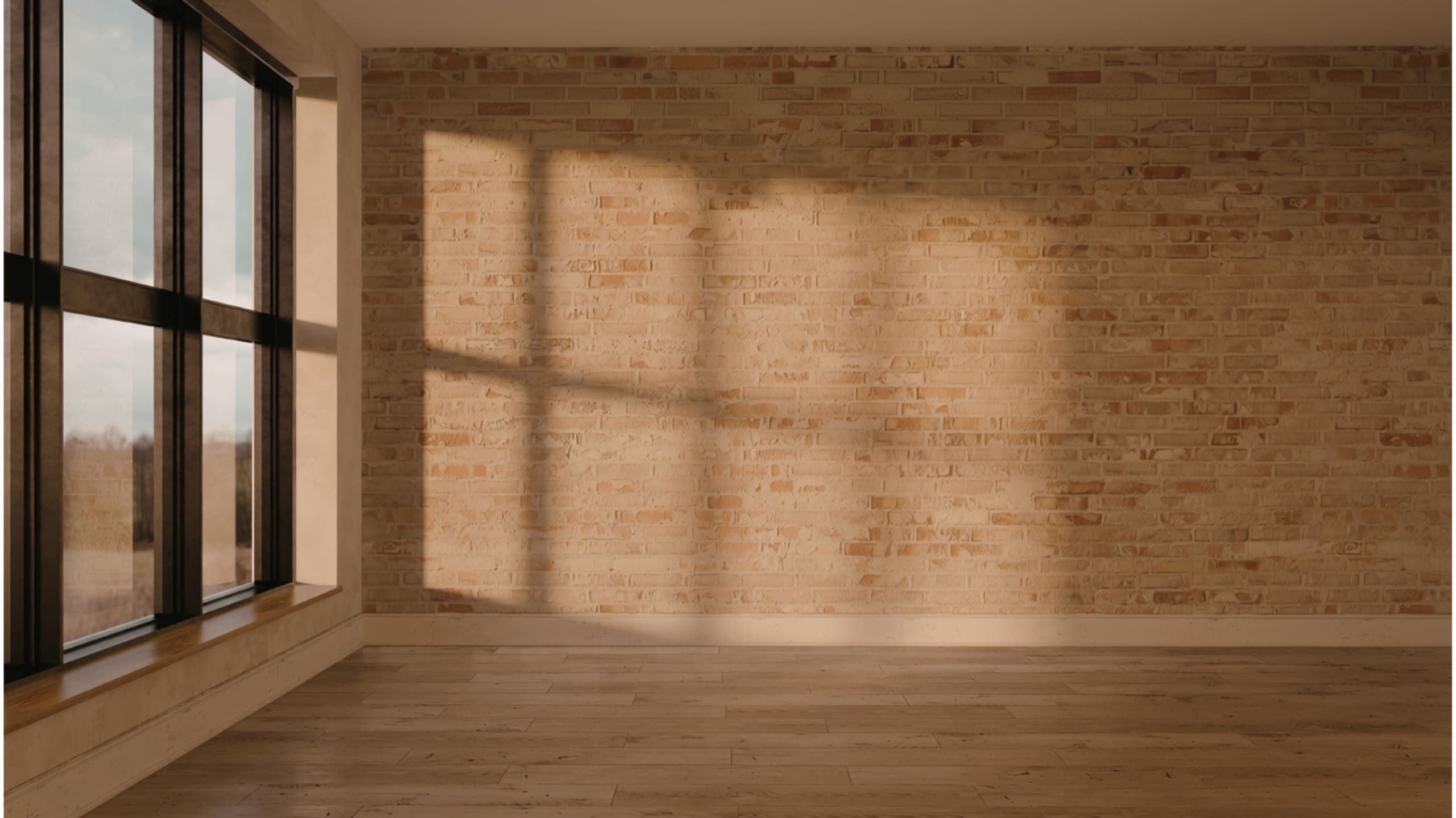
There is something strangely uncomfortable about empty space.
Walk into a room with only a chair, a window and a patch of sunlight, and it’s almost instinctive to begin imagining what else belongs there. A bookshelf. A rug. A side table. A painting on the wall. Not because the room is lacking anything but just because open space has a curious way of drawing our attention.
The same thing happens elsewhere.
A free afternoon appears in the calendar, and before long, it’s filled with errands, catch-ups and little tasks that somehow seem too important to postpone. We may genuinely want to do those things. But every now and then, I wonder if we’re also responding to something quieter—the openness of a day that hasn’t yet decided what it wants to become.
Even silence rarely stays silent for long.
We play music while cooking. A podcast while walking. The television while folding laundry. We reach for our phones in waiting rooms, queues and elevators, often before we’ve even realised we’re bored. None of these habits are inherently wrong. I enjoy them too. But they make me wonder why moments without stimulation feel increasingly unfamiliar. Why an unscheduled afternoon seems to ask for a plan. Why a quiet room can feel unfinished. Why a blank page often feels heavier than one already filled with words.
Perhaps it’s because open spaces ask something different of us.
Presence. Not productivity. They don’t tell us what to do. They simply wait.
And perhaps that waiting is what feels unfamiliar.
What if space isn’t asking to be filled?
Often minimalism is thought of as owning less. Fewer clothes. Fewer possessions. Fewer distractions. In reality, those things are simply the visible outcome of something much deeper. Minimalism isn’t really about removing things. Although owning less is a big part of it, minimalism leans more towards being intentional with what you own and removing distractions to protect space.
Space to move freely through a room without adjusting your path.
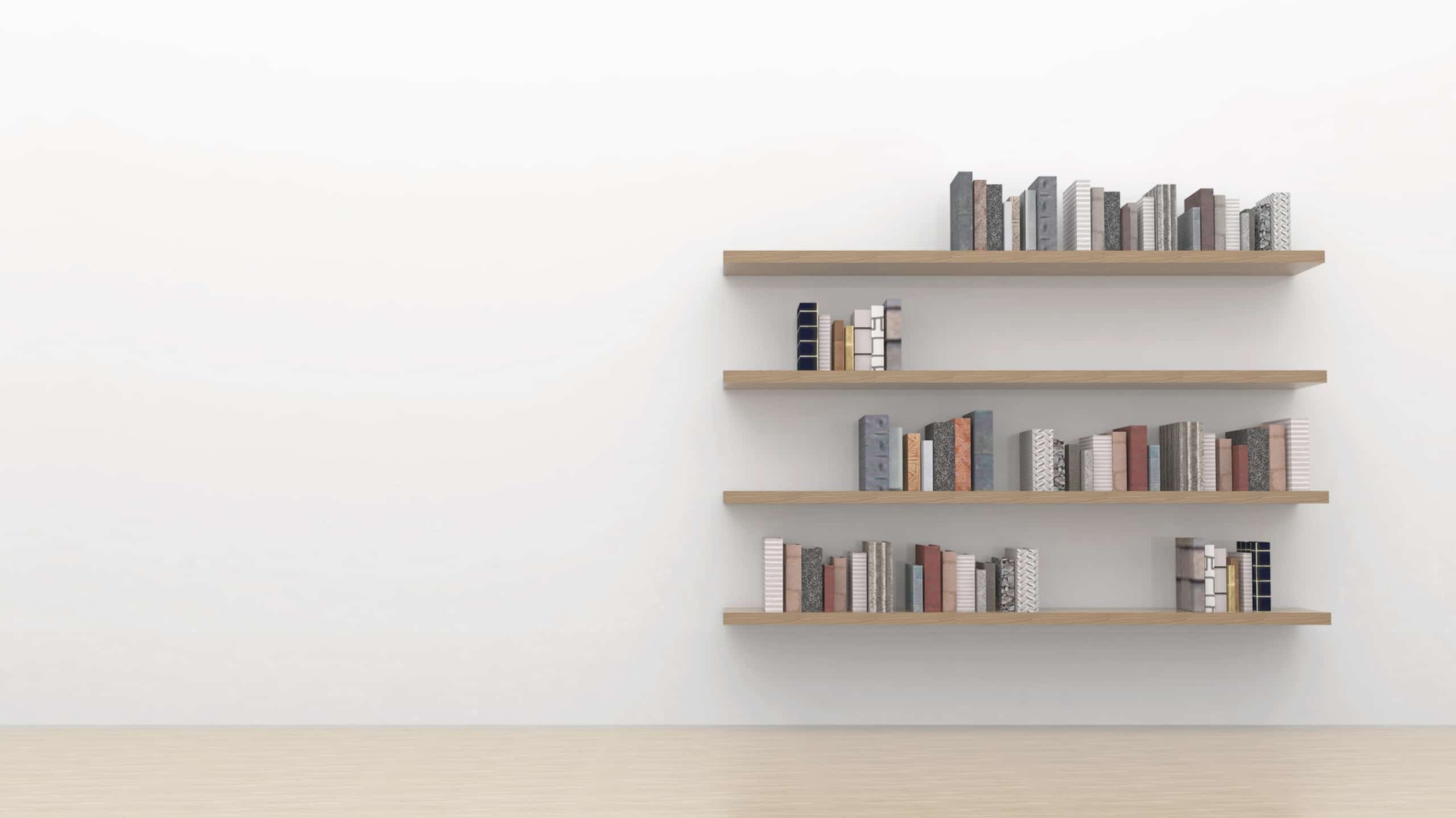
Space on a bookshelf for the next book that unexpectedly finds you.
Space in your schedule for conversations that weren’t planned.
Space in your mind for thoughts that don’t arrive on demand.
Space is one of the most overlooked resources we have. Unlike time or money, we rarely notice it until it’s gone. When every shelf is full, we stop seeing the objects individually. When every hour is scheduled, we stop noticing the rhythm of our days. When every page is crowded with instructions, we forget that thinking sometimes needs room before it finds direction.
Perhaps this is why so many minimalist homes feel calming. Not because there is less to admire. But because there is less stuff competing for our attention.
In galleries, the artwork isn’t simply placed on a wall. Visitors admire the colours, the technique, the artist, the story behind the work. Almost nobody comments on the empty wall surrounding each piece. Yet that empty wall is doing remarkable work. Great care is taken in deciding what surrounds it. Two paintings hung too close together begin competing for attention. The paintings themselves wouldn’t have changed, but your eye wouldn’t know where to rest. Give them room, and each one shines.
The same is true in almost every creative discipline.
In books, margins are not wasted paper, even though they contain no words. They slow the eyes and give the words somewhere to breathe, making reading easier and faster.
In photography, what remains outside the frame often shapes the image just as much as what appears within it. Photography depends on what photographers call negative space—the area surrounding the subject. A lone tree against an open sky often feels more powerful than the same tree surrounded by visual distractions.
In music, the pauses between notes give rhythm its meaning. Without silence, music would simply become noise.
In conversation, a thoughtful pause often says more than speaking immediately ever could. It’s about providing enough room to breathe.
Good design has never been about filling space. Absence is not the opposite of content. The same is true of our homes, minds and lives.
The room shapes the mind
There’s another reason spacious environments feel different, and it has less to do with aesthetics than with the way our brains work.
For years, I assumed clutter was simply a matter of personal preference. Some people enjoyed tidy spaces. Others didn’t mind a little chaos.
Then I began reading about attention and cognitive science. Researchers have found that our brains are constantly processing the visual information around us, even when we believe we’re ignoring it. Every object in our environment competes, however subtly, for a share of our attention. More recent neuroscience has shown that visual clutter changes the way information flows through the brain, increasing the mental effort required to focus. In other words, clutter isn’t just something we see. It’s something our minds continually work around.
I found that strangely comforting. It reminded me that the relationship between our surroundings and our thoughts is more intimate than we often realise. An overflowing kitchen counter isn’t simply a collection of objects. It’s reminding you of an errand. A mug you meant to return to the cupboard. A recipe you’ve been meaning to try. A shopping list. Each item quietly carries an unfinished thought. Individually, they ask almost nothing of us. Together, they create a low, continuous hum of tiny decisions.
Should I deal with this now?
Have I forgotten something?
Where does this belong?
I’ll do that later.
The remarkable thing is that we rarely notice this mental conversation while it’s happening. We simply notice that we feel a little more tired. A little more distracted. A little less settled. It’s similar to trying to hold a conversation in a busy café. You can still hear the person across the table. But your brain is working harder than it would in a quiet room.
Our homes affect us in much the same way. Having said that, in no way is this an argument for perfection. In fact, I’ve become increasingly suspicious of homes that look too perfect. They often feel more like photographs than places where real life unfolds. Life is wonderfully untidy. Books are left open because someone is in the middle of reading them. A mug sits beside the sofa because someone paused to answer the door. A child’s drawing remains on the dining table because it matters more than having a spotless surface. Those signs of living aren’t clutter. They’re evidence of a life being lived. There’s a difference between a home that tells a story and a home that asks your attention to scatter in twenty different directions at once. I think that’s an important distinction.
Minimalism has sometimes been reduced to an aesthetic. Neutral colours. Empty countertops. Perfectly folded linen. Beautiful storage jars. But if that’s all it becomes, we’ve misunderstood it entirely. A beautifully organised room can still feel emotionally crowded. A modest apartment filled with meaningful objects can feel wonderfully spacious. The difference isn’t measured by how many things we own. It’s measured by whether those things leave room for us to breathe.
You might’ve noticed something similar in your own home. The moments when we feel most at ease are rarely after buying something new. They’re usually after clearing a corner that had slowly become a holding place for unfinished decisions. The shelf that had become a temporary home for things without a permanent place. The chair that quietly collected clothes over several weeks. The stack of papers I kept meaning to sort through “one day.” Nothing dramatic changes when they’re gone. Life isn’t suddenly easier. But the room becomes quieter somehow. And perhaps, almost imperceptibly, so do we.
It makes me wonder whether what we’re really searching for isn’t a perfectly organised space at all. Perhaps we’re searching for a little more room inside ourselves. And that’s why physical space matters. Not because it solves our problems. But because it changes the conditions in which we meet them.
Learning to sit with silence

A few years ago, I had the opportunity to spend ten days in silence at a beautiful Buddhist retreat in the mountains. Before I arrived, I imagined silence would feel peaceful. Almost immediately, I realised how romantic that expectation had been.
The silence itself wasn’t difficult. It was everything the silence revealed. Without conversations, books, music or the familiar rhythm of everyday distractions, my mind seemed determined to create its own noise. Thoughts I didn’t know I was carrying appeared one after another. Old memories surfaced without invitation. Not the ones I was expecting to face but those from years ago which I had probably locked away.
It surprised me how selective memory can be, how the brain tries to protect you to keep you going. I had assumed the mind would return to life’s biggest milestones, but instead it wandered towards quiet corners I hadn’t visited in years. I had recurring dreams of our pet dog whose passing I never got to mourn. It was as if, given enough silence, the mind finally found the courage to finish conversations that had been left incomplete, even if subconsciously.
For the first few days, it felt as though the world had become quieter while my mind had become busier. That contradiction fascinated me. We often imagine silence as the absence of noise, but I discovered that silence can be incredibly revealing. Silence hadn’t created those thoughts. They had been there all along. I think that is one of the greatest gifts of spaciousness. It doesn’t always offer answers. Sometimes it simply helps us see what has been there all along but hidden beneath the movement of everyday life.
I don’t know whether that’s a lesson about meditation. Perhaps it’s simply a lesson about attention. Buddhist teachings speak about emptiness, a word I had misunderstood for years. I had always imagined emptiness to mean absence, as though the goal was to remove things until nothing remained. But slowly I began to understand that emptiness wasn’t about having less. It was about seeing more clearly. About recognising that everything exists because of its relationship with everything else. A cup is useful because of the space it holds. A room is liveable because there is space to move through it. A pause in a conversation is what allows us to truly hear another person.

Even in outer space, the vastness between the stars is not empty. Much of the universe is believed to be made up of dark matter and dark energy—invisible, mysterious components that we cannot see directly, but whose presence is revealed by the way they shape everything around them.I find that strangely comforting.
Space doesn’t always create something new it reveals what was already there.
The mind doesn’t seem to enjoy empty space
When someone doesn’t reply to a message, the mind quietly begins writing its own ending. When a conversation feels incomplete, we replay it long after it has ended. When we don’t know the answer, we often rush towards the first explanation that feels convincing. The mind seems remarkably good at filling gaps. Perhaps it does this because uncertainty can feel uncomfortable.
Psychologists have long observed that our minds prefer certainty over ambiguity. Faced with incomplete information, we instinctively search for patterns, explanations and endings. It’s one of the ways we make sense of the world. But it also means that open spaces—whether on a calendar, in a conversation or on a blank page—can feel strangely unsettling. They ask us to live with possibility instead of certainty.
I wonder if this is why we instinctively reach for our phones in moments of stillness. Not because we’re bored, but because we’re uncomfortable with not knowing what should happen next. Filling the space feels easier than sitting with it. A blank page offers no certainty. It doesn’t tell us where to begin. It doesn’t promise that what we write will be good. It simply waits. And waiting can feel surprisingly unfamiliar.
Perhaps that is why freedom can sometimes feel intimidating. When nothing has been decided, every possibility is still alive. There are no instructions to follow, no right answer to discover, no template to fit ourselves into. The page quietly hands the decision back to us.
The quiet invitation of paper
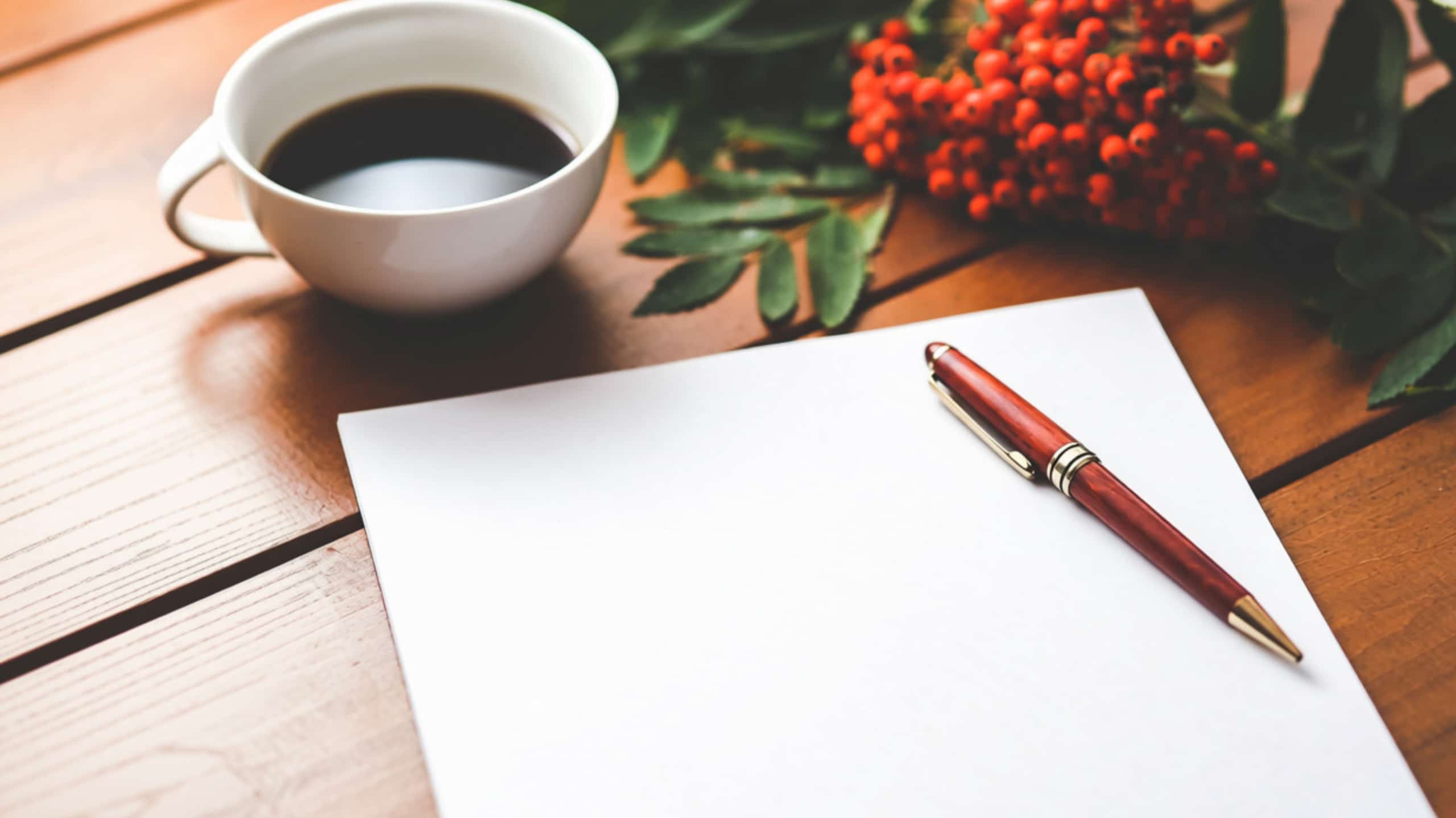
People often ask why I leave so much empty space in my planners. It’s a reasonable question. After all, if paper is valuable, shouldn’t every corner be used?
But I’ve gradually come to see the empty spaces as doing part of the work. The more I designed journals, the more I realised that paper is valuable because it creates room for a thought that didn’t exist a moment ago. The blank spaces aren’t inactive, they’re quietly holding that possibility. A page filled with prompts, trackers and predefined sections certainly has its place. Sometimes we need guidance. Sometimes we need structure. But more often than not, structure becomes another voice telling us what matters.
In many ways, our lives already contain enough instructions. Our phones tell us what to pay attention to. Our calendars tell us where to be. Social media tells us what everyone else is doing. Perhaps a notebook doesn’t always need to tell us anything. A blank page does something different. It asks nothing.
It doesn’t assume today will look like yesterday. It doesn’t expect your thoughts to fit neatly into categories. It simply offers room.
Room to write.
Room to sketch.
Room to think.
Room to change your mind halfway through.
That freedom is exactly what can make a blank page feel intimidating. When nothing has been decided, every possibility is still alive. Freedom and uncertainty often arrive together.
Leaving room
An uncluttered shelf.
A slow Sunday morning.
A quiet walk without headphones.
A page with only a single sentence written across it.
These moments are not unfinished. They feel generous.
Not because nothing is happening, but because they leave room for something to happen. A new thought. A memory. A question. A different way of seeing something familiar.
Empty spaces are not necessarily asking to be filled. This is where something has the chance to emerge. Not everything meaningful arrives through effort. Some things appear only after we’ve stopped trying to occupy every corner. Perhaps that is why I continue to champion space in the planners I design. Not because I expect every page to remain half empty. But because I hope each page feels like it belongs to the person using it, not to me.
The next time you notice an empty room, a quiet afternoon or a blank page, perhaps resist the urge to change it immediately. Try looking at it for what it is. Stay with it for a moment. Notice what your mind wants to do. Notice the stories it begins to tell, the impulse to make the space useful. You don’t have to act on any of it. Just notice.
You may discover that the space itself was never the uncomfortable part. It was simply holding up a gentle mirror, reminding us that space isn’t the absence of something. It is often where life is most clearly seen.