


What Four Years of Making Planners Taught Us
When we started making planners, we were looking for something we couldn’t quite find.
Something simple. Something functional, without too much happening on the page. A place to keep track of appointments, make sense of the week and put things down before they slipped our minds.
That was how Decluttercat began.
Over the years, we’ve made planners, functional stickers, trackers and other small paper products to accompany the planning process. Each came from an idea about something that could make planning a little more thoughtful, a little more personal or simply a little easier.
Four years and several printing runs later, I find myself thinking quite differently about what we’re trying to make. It’s no longer just about creating a planner with the right sections or the right layout. It’s about creating something that gives people room to find their own way of using it.
And that understanding has slowly found its way into the pages we make.
A little more room
Our earliest planners Spaces & scapes were fairly compact. They were designed primarily as a place to keep track of appointments and weekly commitments.
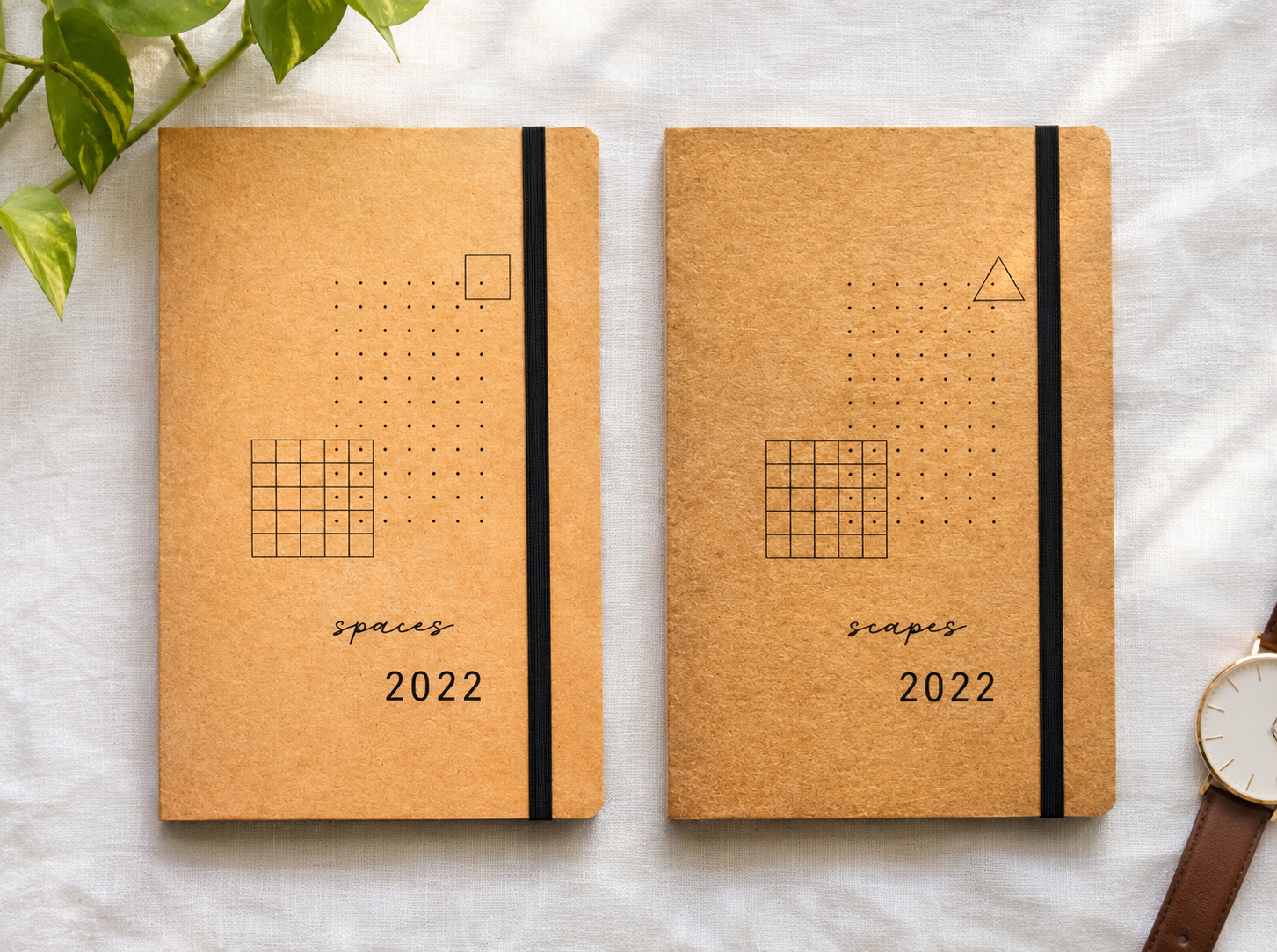
But as we continued making them, I began thinking more about the different things a person might want to put down on a page.
A week isn’t made up of appointments alone. There are work commitments, personal plans, ideas, lists, things to remember, things to think about and sometimes things we haven’t quite figured out yet.
A small space to record an appointment might be enough for one person, but someone else might want to break down a project, make a list or write a little more about what the day holds.
We began to see the value of giving people more room. Our weekly layouts gradually evolved. We introduced multiple grids, allowed more writing space across the week and worked with lighter visual guides that offered a sense of structure without making the pages feel crowded.
The intention was never to make the planner more elaborate. We wanted to make it more accommodating.
A page could have a purpose without having to dictate exactly how it should be used.
That distinction has become an important part of how we think about design.
Letting people make the pages their own
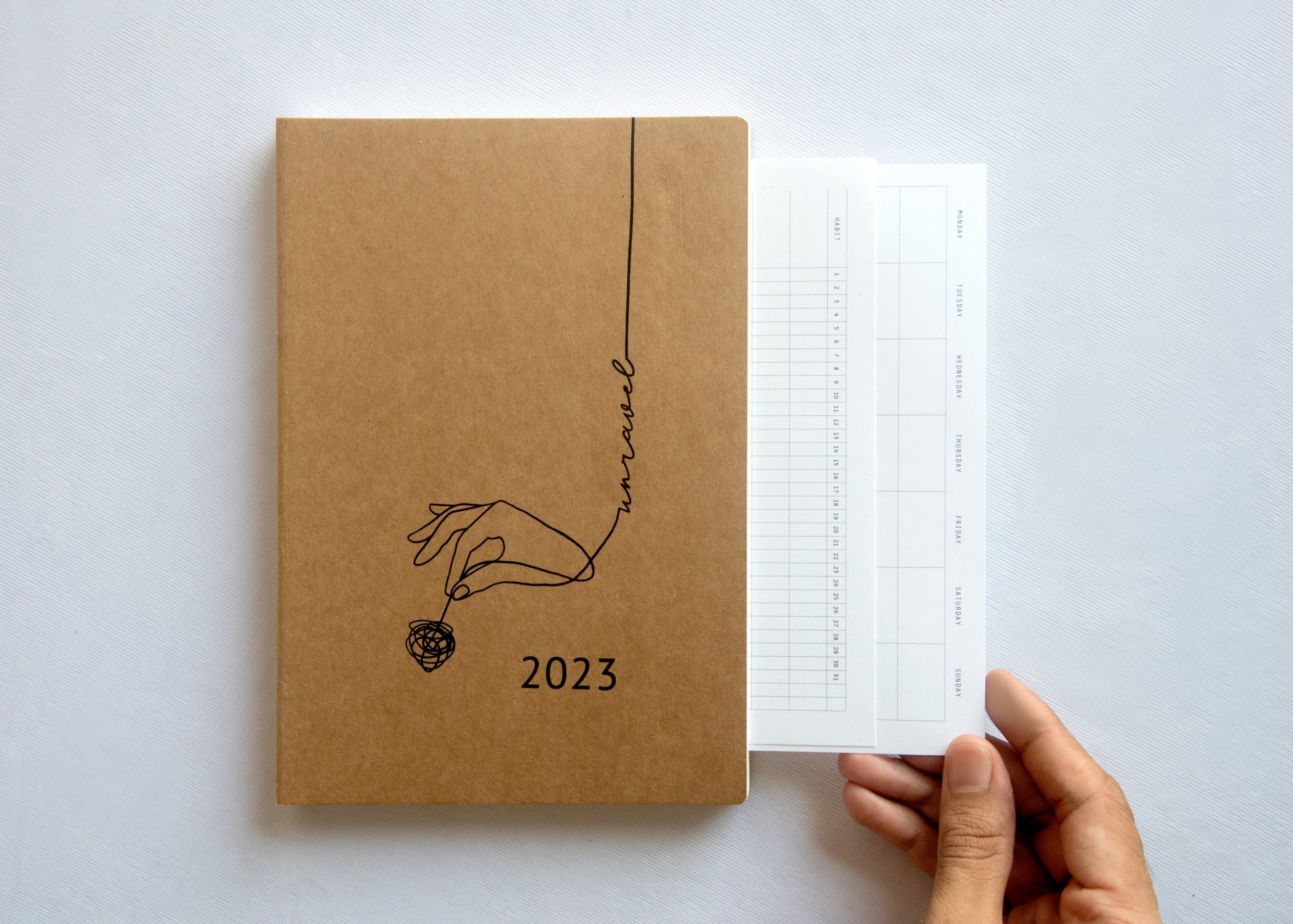
One of the interesting things about making a physical product is that, eventually, it leaves your hands.
You design the pages with certain possibilities in mind, but the person using them brings their own life, habits and ways of thinking to the experience.
A weekly grid might be used to record appointments by one person and divide work into different projects by another. A notes section might become a reading list, a collection of ideas or somewhere to write down things that have nothing to do with the week ahead.
There is no single way people use their planners. And even the same person might use them differently from one week to the next.
I think that’s a good thing.
It’s made us look at our designs a little differently. Rather than deciding how every space should be used, we try to create pages that offer a starting point and leave the rest open.
We want the structure to be useful when you need it, but never so rigid that you feel you have to follow it.
After all, a planner should adapt to the person using it. Not the other way around.
The thought behind the details

Minimal design can sometimes look deceptively simple. A page with a few lines and generous white space might not appear to have much happening, but getting that balance right takes quite a bit of thought.
How much space should each day have? How many grids are useful? How much guidance does a page need before it begins to feel restrictive?
These are questions we return to with every new edition.
We like having different grids because they allow for different ways of organising information. We like light guides because they help give a page direction without taking over. And we believe writing space should be generous enough to accommodate more than what we might have anticipated when designing it.
We also think about the mood of a planner.
The colours, the typography, the paper, the weight of a page and the way it opens all contribute to how it feels to sit down and use it. I want the experience to feel quiet and inviting. Something you look forward to returning to, rather than another task waiting to be completed.
The choice of page format, for instance, can influence how we approach our writing. A dot grid offers a little guidance while leaving plenty open. A lined page gives writing a natural rhythm. A blank page invites something less structured.
We explored some of these differences in our earlier piece on dot grid, lined or blank planner pages.
For me, simplicity isn’t about removing everything. It’s about being thoughtful about what deserves a place on the page.
Planning is also about paying attention
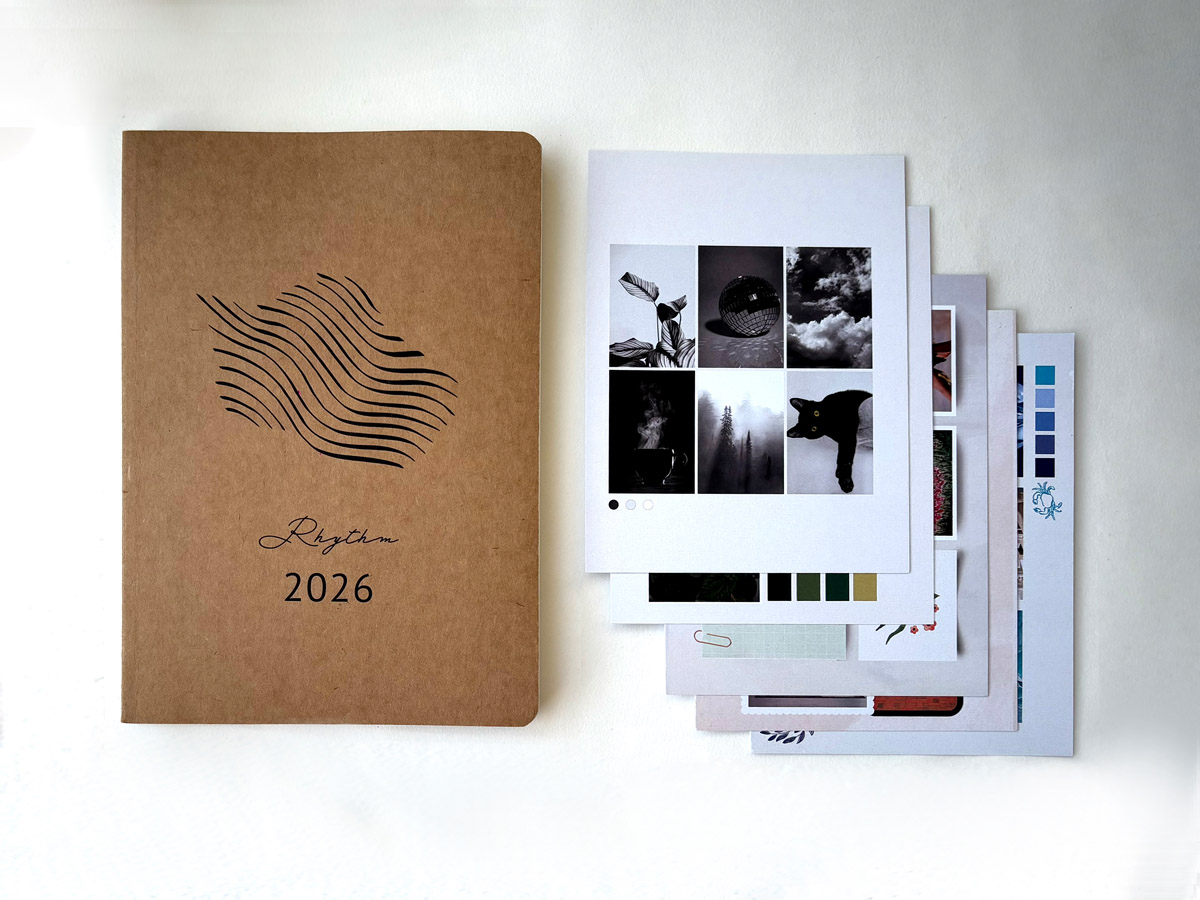
Somewhere along the way, my understanding of planning began to extend beyond keeping track of things.
When I sit down with a planner and write out the week, I’m doing more than recording appointments. I’m looking at the shape of my time.
I notice which days are full and which have a little breathing room. I see the things I’ve been putting off, the commitments I’ve made and perhaps the things I’d like to make time for.
Sometimes, writing something down is enough to help me understand it a little better.
There is also something about the physical act of writing that I continue to appreciate. The few minutes spent with a pen and paper, away from notifications and open tabs, can become a small pause in the day.
It doesn’t have to be a complicated ritual. It might simply be sitting down on a Sunday evening, looking at the week ahead and deciding what needs my attention.
We’ve written more about this in how to plan your week.
Perhaps planning is, in part, a way of paying attention to our own lives. Not trying to control every hour, but noticing how we’re spending our time and making choices along the way.
Field Notes 2027: Bringing some things together

Each year, as we work on a new planner, we revisit what we’ve made, listen to what people tell us and think about what could make the experience better.
Over the years, we’ve also created functional stickers and trackers as separate products to accompany our planners. Some people enjoy using them to mark activities, keep track of habits or add their own little visual cues to the pages.
For the 2027 edition, we wanted to bring some of these elements together.
We’ve called it Field Notes.
The name comes from the idea of observing and recording. Field notes are a way of paying attention to what’s around us, noticing patterns and keeping a record of what we discover. I found something familiar in that idea when thinking about how we use our planners.
Our weeks, too, are worth observing. We make plans, try things, change our minds, notice what works and sometimes simply record what happened.
Field Notes 2027 brings this thinking into a weekly planner, while retaining the functionality and generous writing space that have become important to us.
Within each month, we’ve included Monthly Glimpse sheets to offer a broader view of what’s ahead, along with Habit Trackers for those who like to keep an eye on small, recurring practices. They’re there when you need them, without asking you to follow a particular routine.
We’ve also included an essential sticker set at the end of the planner. Functional stickers have been a part of our journey through separate products, and it felt natural to bring a small selection into the planner itself. There’s an envelope too, for keeping loose notes, little papers and things you’d like to hold on to.
We’ve made a change to the binding this year as well. The planner now lays flat, making it easier to write across the pages without having to hold them open.
These are small additions and changes, but each comes from something we’ve been thinking about or learning along the way.
Not every addition needs to make a planner busier. Sometimes, it’s simply about bringing together the things that make sense, in a way that feels considered.
With Field Notes 2027, we’ve brought together many of the ideas we’ve been returning to over the last four years: useful structure, generous space and the freedom to make the pages your own.
It’s now available, and we’re happy to finally share this edition with you. More than anything, it feels like a reflection of how our thinking about planning has evolved.
Choosing a planner that lets you be you
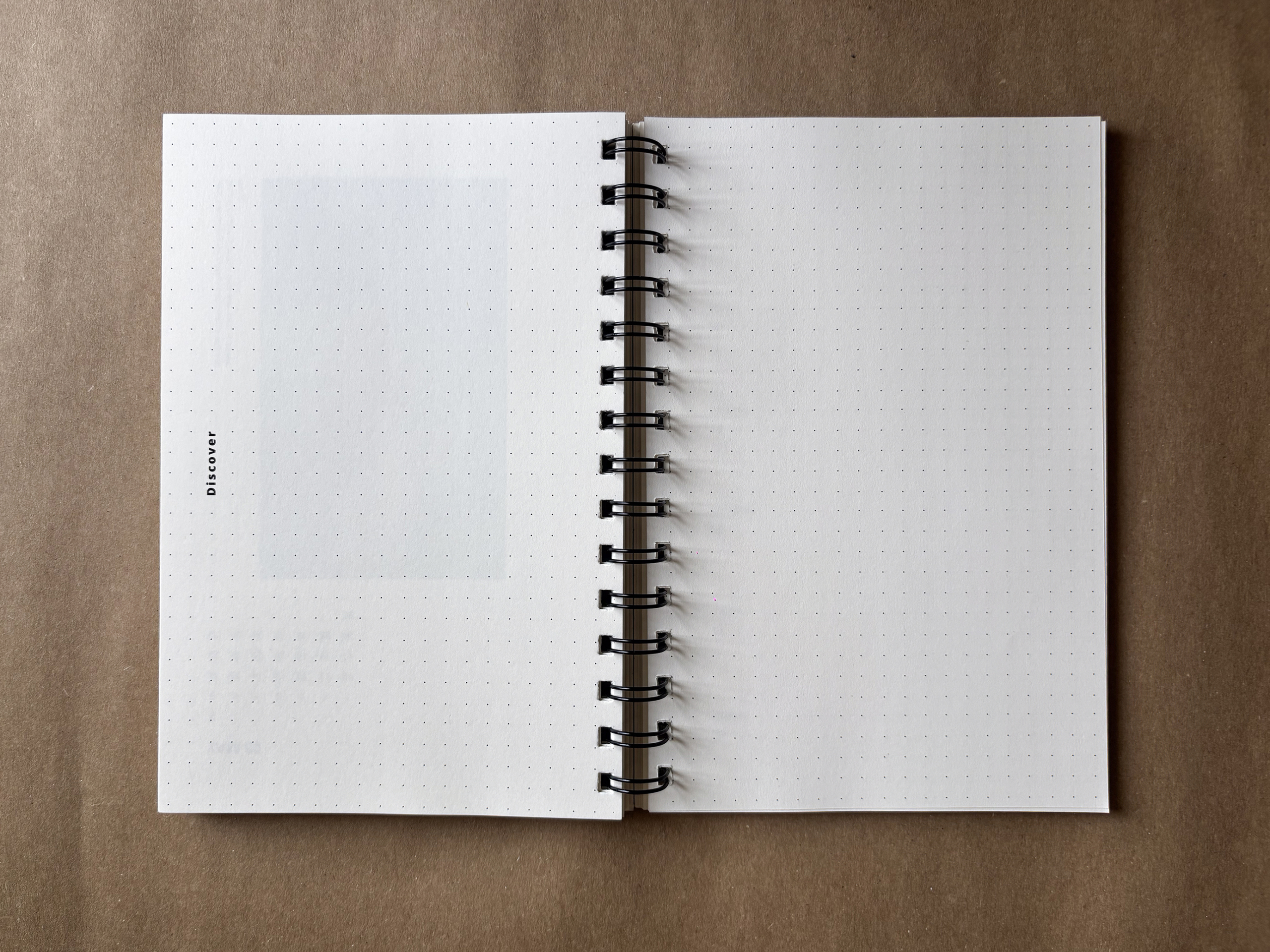
We all have different ways of organising our days.
Some people like to see the whole month at a glance. Others prefer to focus on the week ahead. Some enjoy tracking habits, while others use their pages for lists, notes, ide
as or a little bit of everything.
And our needs change, too. The way we plan during a particularly busy month might be quite different from how we plan during a quieter one.
I think the planner we choose should leave room for all of that.
It should give us enough structure to get started, but not so much that we feel obliged to follow someone else’s system. We should be able to skip a section, use a grid differently, write in the margins or leave a page untouched.
There shouldn’t be a right or wrong way to use it.
Perhaps choosing a planner is less about finding one that has accounted for everything and more about finding one that feels comfortable with the way you think and live.
One that supports your plans without taking over. One that gives you a little direction when you need it and enough freedom when you don’t.
That’s what we hope Field Notes 2027 will offer.
A place to organise the practical things, record the passing thoughts, notice the little patterns and make room for whatever else your days might hold.
Because, in the end, the right planner isn’t the one that tells you how to organise your life. It’s the one that gives you the space to make it your own.
Field Notes 2027 is now available at Decluttercat. If you’d like to take a closer look, explore the planner here.
Frequently Asked Questions
What has Decluttercat learned from four years of making planners?
The biggest lesson we’ve learnt is that people don’t need more structure — they need more space. Over four years of designing planners, we’ve found that the best layouts are the ones that step back a little. They give you enough direction to get started, but enough room to make the pages your own. That shift — from telling people how to plan to giving them space to figure it out — has shaped everything we make.
What is Field Notes 2027?
Field Notes 2027 is Decluttercat’s dated weekly planner for the coming year. It’s named after the idea of observing and recording — noticing the small patterns in your week and keeping track of what matters. It includes Monthly Glimpse sheets, weekly spreads with generous writing space, Habit Trackers and a set of functional stickers. The binding lays flat, and the pages use a mix of guided and open formats.
What makes a good weekly planner?
I think a good weekly planner gives you enough structure to stay organised without making you feel boxed in. It should have room to write freely, not just tick boxes. The page format matters too — whether that’s a dot grid, lined or blank page depends on how you like to think and write. Most importantly, a planner should adapt to you, not the other way around.
Why does Decluttercat offer dot grid, lined and blank pages?
Because people think and write differently. A dot grid gives light guidance without lines getting in the way. Lined pages work well for longer notes or journaling. Blank pages let you sketch, doodle or lay things out however you like. We’ve found that offering different formats gives people permission to use their planner in whatever way feels natural to them.
Where can I buy Field Notes 2027?
Field Notes 2027 is available through the Decluttercat website. Take a look at it here.